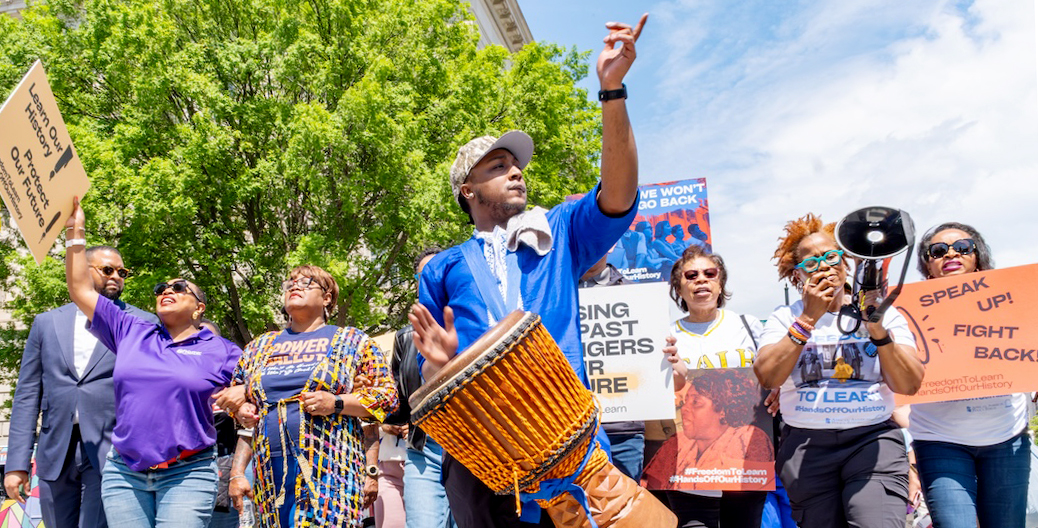
The right to vote was not freely granted. Americans won it through sacrifice, struggle, and the courage to risk their lives so that future generations could participate in our democracy. As voters prepare for the Nov. 3 midterm elections, we should remember those sacrifices and recognize that we all share responsibility for protecting the ballot.
From the Mississippi Freedom Vote of 1963 to the Selma marches and the passage of the Voting Rights Act of 1965, generations of Americans confronted intimidation, violence, and discrimination to secure access to the ballot. Civil rights leader Medgar Evers paid the ultimate price for his commitment to equality. Countless others endured threats, economic retaliation, and physical harm simply for demanding the right to vote.
Their sacrifices should never become distant history or mere ceremonial talking points. They remain a reminder of what is at stake whenever Americans choose their representatives.
Consider the students at historically Black colleges and universities in North Carolina who recently marched to early-voting sites after officials did not select their campuses as voting locations. For some, reaching a polling place meant a 45-minute walk. Although election officials noted that the campuses had not hosted early voting in a midterm election before, the episode raises an important question: Why should access to the ballot become more difficult for students determined to exercise their civic rights?
Critics of these decisions argue that eliminating convenient campus voting locations disproportionately burdens young Black voters. Whatever the explanation for individual decisions, the broader lesson is clear: Voting access matters, and so does the determination to overcome obstacles.
Here in Washington, D.C., Nov. 3 holds particular significance. District voters will choose a mayor, Council members, and a successor to Del. Eleanor Holmes Norton (D), whose decades of public service have helped give Washington a voice in Congress. These elections will shape public safety, housing, education, neighborhood investment and the District’s ongoing struggle for greater autonomy.
Local elections are not secondary elections. Their outcomes affect our neighborhoods, families, and future. Every eligible Washingtonian should understand the candidates, consider the issues, and make an informed decision.
The students marching to the polls offer a powerful example of civic resolve. They remind us that democracy requires participation, not merely admiration for those who fought to establish it.
On Nov. 3, let us honor Evers and the countless Americans who sacrificed for our voting rights. Let us also honor today’s students, who refuse to be discouraged by obstacles. Above all, let us honor their legacy by casting our ballots.
The price of the ballot was high. At the very least, we can use it.